Military Photography For Regiments and Academies

Talk to Our Team

Military Photography

A Century and a Half Alongside the Armed Forces

Since 1856, Gillman & Soame has stood alongside the Armed Forces. On parade grounds and in mess halls across the country, our cameras have recorded the moments that define a military life: the passing out parade, the commissioning, the dinner night, the medal presentation.

Handed from one generation of officers to the next, those photographs become part of a unit's own memory. Work of that kind asks for discretion, precision and an understanding of protocol, and for the reliability to capture the day properly, first time, without interrupting it.

Talk to us

From Basic Training to Passing Out Parade

Every unit marks its milestones differently. These are the three occasions we are asked for most often, and each is made to the same standard, whether it is a single course or an entire regiment.

military1

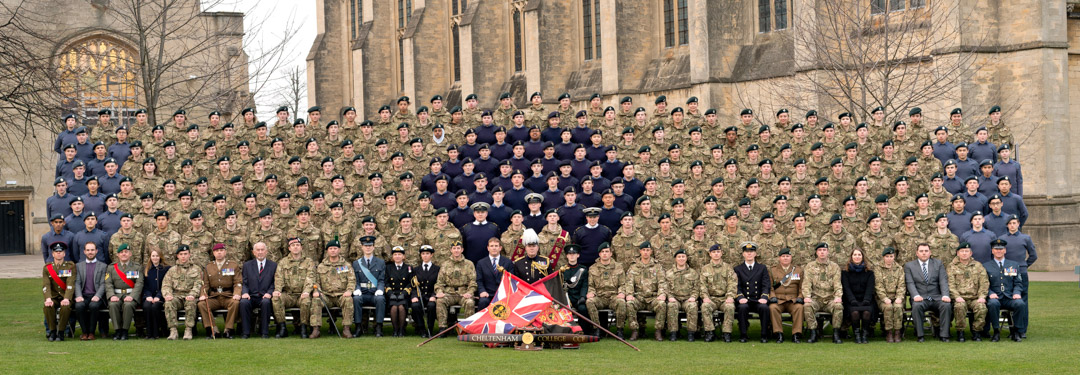
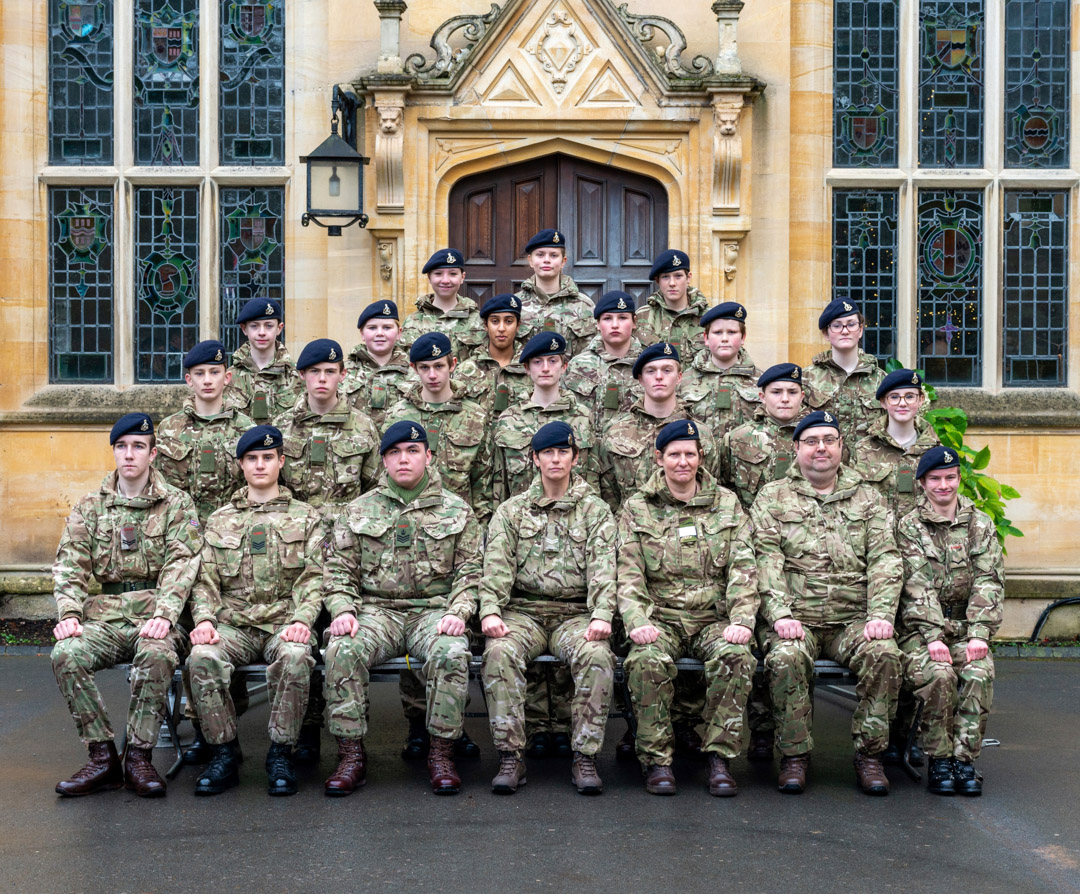
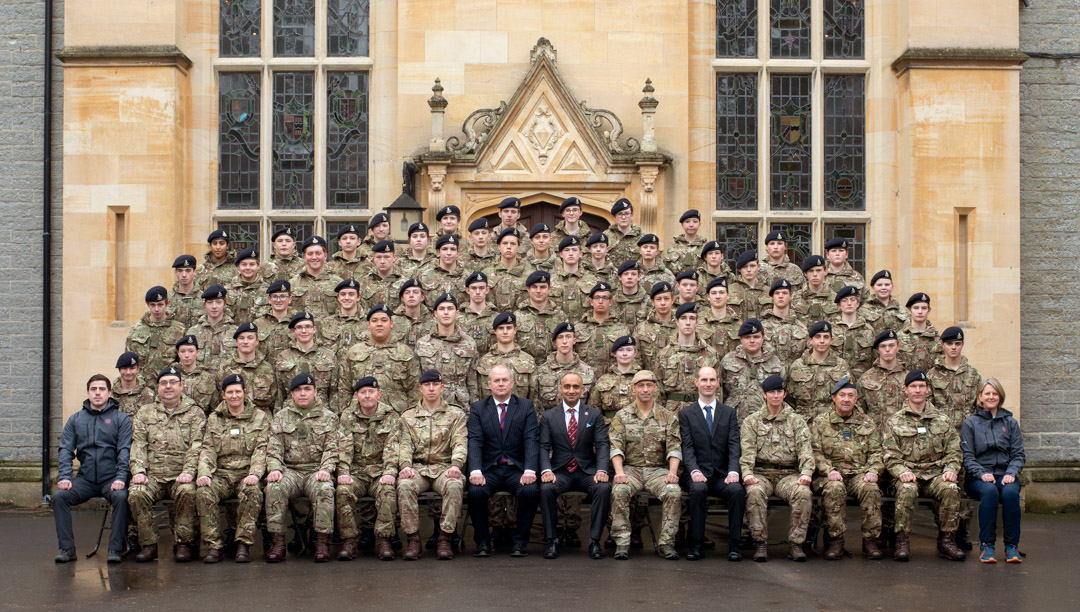
Regimental and Squadron Group Photographs

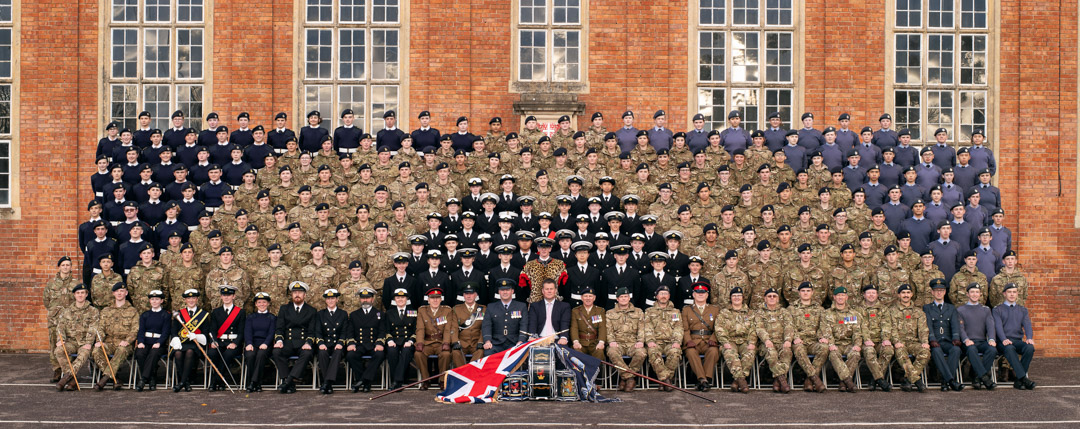
The whole unit on bespoke staging, arranged by rank, with every name recorded.

  • Regimental Group Photographs. The full regiment in one formal frame.
  • Squadron and Troop Groups. Smaller formations, photographed to the same standard.
  • Course and Intake Groups. A record of each cohort as it passes through.
  • Whole Unit Panoramic Photographs. Everyone on camp in a single wide frame.
military3

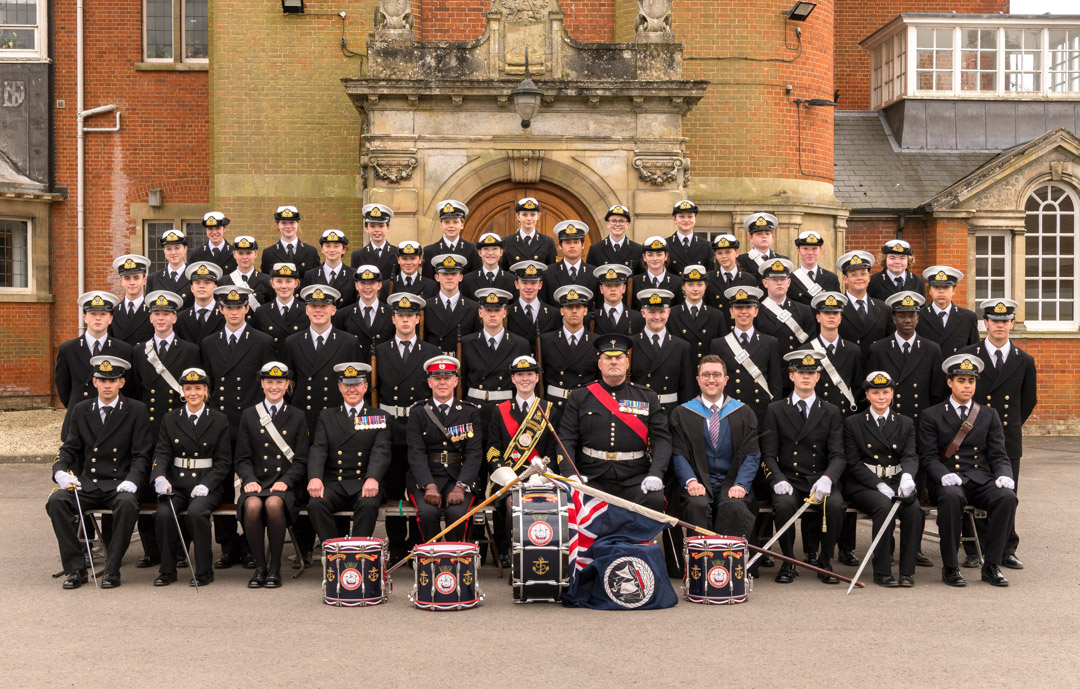
Officer Cadet and Commissioning Portraits

Taken at the academy, in service or mess dress, with every detail of dress and protocol.

  • Commissioning Portraits. Taken at the moment of commissioning, in service dress with sword and accoutrements, formally seated or standing.
  • Officer Cadet Portraits. Taken earlier in training, so the two sit together as a record of the whole journey.
  • Formal and Environmental Versions. A clean frame against a controlled backdrop for the mess and the family, and a second in the academy itself.
  • Correct Dress and Protocol. Sword position, glove and headdress, medals and accoutrements placed correctly, and the conventions of each rank.
  • Consistent Across a Cohort. Same lighting, same standard, same finishing, so an intake's portraits read as one set.
military2

Parades, Ceremonies and Formal Dining

Occasions that happen once, to a fixed timetable, in front of an audience.

  • Passing Out and Commissioning Parades. The forming up, the inspection, the march past, the salute, the presentation of awards, and the families watching from the stands. We cover the day as a narrative, not a single formal frame.
  • Beating Retreat, Trooping, Remembrance and Church Parades. Large ceremonial events where the timings are fixed and there is no second chance.
  • Colours, Change of Command and Presentation Ceremonies. Formal, often historic occasions with an order of service that has to be followed precisely.
  • Processions and Arrivals. Guests, families and dignitaries arriving, where the most personal pictures of the day are made.
  • Mess Dinners and Formal Dining. Dinner nights and regimental anniversaries, photographed discreetly around the table.

How a Photography Day On Camp Works

A unit should have to do very little. This is how the day runs.

We agree the arrangement in advance with the unit. That means the number of ranks and files, who sits or stands, who is in the front row, and where the officers, warrant officers, instructors and any guests are placed. The order reflects rank and appointment, so it has to be signed off before we set foot on camp rather than improvised on the day. We also agree the location, the time, the dress and the fall-in point, plus a wet-weather alternative if the shot is outdoors.

Our bespoke staging is built to take a full unit safely. It is designed around real environments with safety, comfort and welfare at the centre of every setup: people are standing on it, sometimes for a while, so that is not an afterthought. We position the camera high enough and far enough back to keep every face visible, legible and in focus across the entire width of the group. Lighting is controlled so the front and back ranks are evenly exposed rather than one end being in shadow.

The group is called forward in sections, not all at once, so people are placed rather than milling about. Our team directs the fall-in with a planned calling order, and the unit's own NCOs are usually the fastest way to move people into position. We check the frame properly before the first shot, that nobody is obscured, no one has drifted out of position, dress is right and eyes are open, and we take enough exposures to guarantee a clean one. Then we release the group, so the whole thing takes minutes rather than an hour.

Individual copies, mountings, frames and packages, ordered and delivered without the unit having to administer any of it.

military4

How a Regimental Group Photograph Is Made

The whole unit photograph is the hardest thing we make, and the one a regiment keeps longest. This is what goes into it.

Staged and Structured

The group is arranged formally, with the commandant, adjutant, officers, warrant officers and instructors seated in the front row and ranks in correct order. Getting that order right is what makes the photograph acceptable to the regiment.

Names Recorded

Every individual is named, correctly spelled and matched to their position. It is painstaking work, and it is the detail a unit notices first.

Formal and Informal Versions

A formal frame for the regiment, and a looser one for the individuals themselves.

Correct Dress and Protocol

Sword position, headdress handling, medals and accoutrements placed correctly, and rank-specific conventions observed. Names are recorded and matched to position so every individual is identified properly, which matters for the record and for the family who keeps the print.

Frequently Asked Questions for Military Photography

Do you photograph passing out parades?

Yes, passing out parades are one of the events we cover most regularly. We photograph the whole day as a sequence rather than a single formal shot: the parade forming up, the inspection, the march past, the salute, the presentation of awards, and the moment families watch from the stands. Everything is planned with the unit in advance so we work to your timings rather than around them, and we cover the day without disrupting it. Alongside the parade photographs, we also handle the individual portraits and group or squadron shots that naturally sit around a passing out parade.

How do you photograph a large unit group on camp?

For a large unit group (a full squadron, wing or intake) the job is as much about planning and control as it is about photography. Getting 1,800 military personnel in one frame, correctly arranged and properly identified, only works if the sequence is managed tightly.

Can families order photographs after the parade?

Yes, and that is how most families order. Families who could not attend, or who only see the photograph afterwards, order remotely from home, so the process is deliberately simple. We send a direct notification with a link once the images are ready (typically very soon after the parade), and parents and family members can view and order prints, mountings and framing online at their convenience, with no paperwork and nothing to chase through the unit. Everything is archived afterwards, so if a print is lost, damaged or wanted years later for a reunion or anniversary, a replacement can still be supplied. One practical point for the unit: the ordering and fulfilment sits entirely with us. No one at the academy or regiment has to collect orders, handle payment or distribute prints.

How do you handle security and image clearance?

Data and safeguarding

Images of serving personnel are personal data, and we handle them as such. Consent and permissions are recorded properly, access to images is restricted to those who need it, and we store and process the files in line with GDPR and the requirements the unit sets. Where cadets or other young people are involved, the safeguarding requirements are followed strictly.

Clearance before release

Nothing goes out until the unit has cleared it. We provide the images the unit designates as suitable for release, and anything else stays out of circulation.

Publication and use

We do not publish, promote or share images of serving personnel without written clearance. Where we are given permission, it is limited to the specific images and the specific use agreed.

Archive and retention

Images are retained securely in our archive and access remains controlled. They are only used for the purpose the unit has authorised: a replacement print, a reunion or anniversary copy, or the unit's own record. Unit security requirements always take precedence over our commercial process. If a photograph cannot be released, it does not get sold, and it does not leave our system.

Do you photograph mess dinners and regimental anniversaries?

Yes, we do both, and they are usually among the most valued days in a unit's calendar.

Mess dinners

Formal dining is covered discreetly and entirely around the occasion rather than through it. Low light, mixed ambient sources and a strict seating plan mean no flash disrupting the formalities, and no movement through the room at the wrong moment. We photograph the arrivals and reception beforehand, the toasts, speeches and presentations as they happen, and the table and group photographs people most often want: per-table images for those seated in them, plus the formal group shot for the mess.

Regimental anniversaries

Anniversaries and similar milestones, such as formation days, reunions, changes of command, the passing of the colours and presentation ceremonies, are covered as a narrative across the whole event. The order of events is agreed with the unit in advance, so we know exactly where we can and cannot stand, and which moments must not be missed. Because these occasions bring people back from across the years, the archive becomes part of the offer. We can supply historic images from previous years alongside the new ones, which is often exactly what a reunion wants and something most suppliers simply cannot provide.

How far in advance should a unit book?

Units should book as early as they can, and the honest answer is that the earlier the better. These are fixed-date events with no second chance.

What drives the timing

The date itself is not usually the constraint. The constraint is our availability during peak periods. The military calendar concentrates heavily into a small number of weeks, and we can only cover one unit on any given date. Any date in those windows should be booked six to twelve months ahead where possible. For a large parade day or a major anniversary, twelve months or more is sensible, particularly if it is a landmark anniversary where the unit wants the fullest coverage.

What to do if the date is already close

We can often still help, so it is always worth asking. Shorter notice is workable for:

  • A single portrait or squadron group session on camp.
  • A mess dinner or smaller ceremonial event.
  • A parade where the requirements are straightforward.

What is much harder at short notice is a large-scale event needing extended coverage, multiple photographers, staging set-up or large print and mounting requirements. Those need lead time to resource properly.

What we need from the unit when booking

  • The date and the likely timings.
  • The type of event and the coverage required.
  • Approximate numbers, meaning how many people are being photographed.
  • Whether staging, group photographs, portraits and dinner coverage are all needed.
  • Site access, security and vetting requirements.
  • Dress, seating plan and protocol details, where relevant.

The earlier we have those, the more we can commit to and the better the day runs.

The Radcliffe Camera in Oxford in black and white, beneath the Gillman & Soame wordmark

Bring Gillman & Soame to Your Unit

Lorem ipsum dolor sit amet, consectetur adipiscing elit, sed do eiusmod tempor incididunt ut labore et dolore magna aliqua. Ut enim ad minim veniam, quis nostrud exercitation ullamco laboris nisi ut aliquip ex ea commodo consequat.